

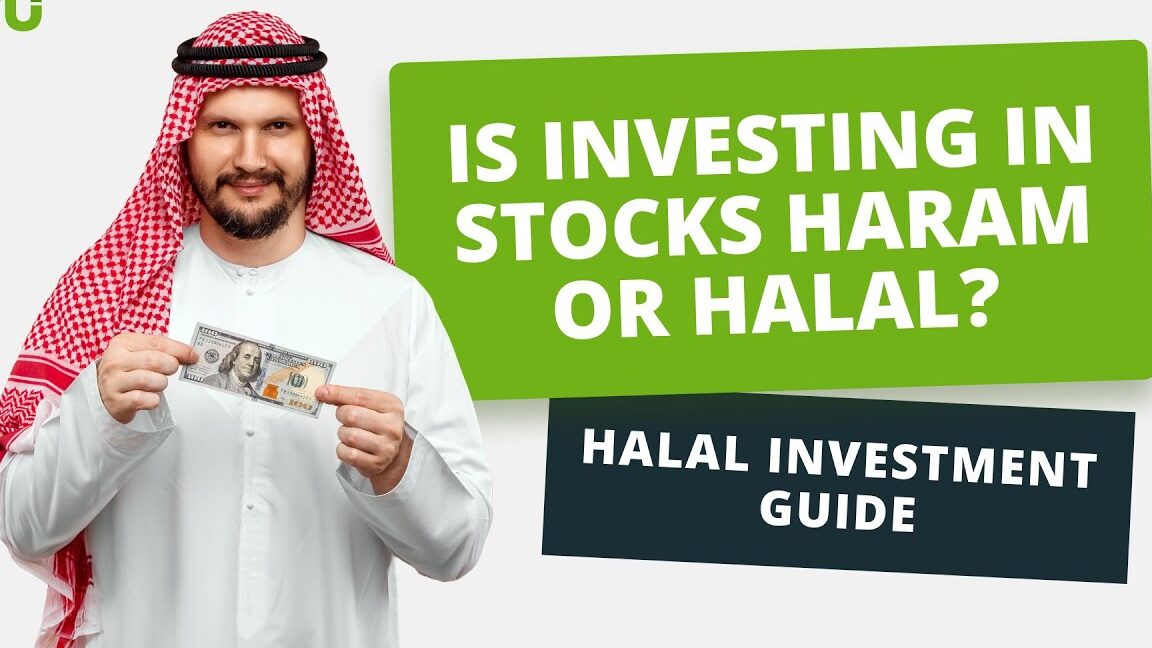
Is Investing in the Stock Market Halal? A Comprehensive Guide for Muslim Investors

Halal investing is a method of investing that complies with Islamic law (Shariah). It emphasizes the ethical and moral implications of financial activities, aiming to align investment choices with Islamic principles. Understanding halal investing is essential for Muslim investors who want to ensure their financial dealings are in accordance with their faith.
Principles of Halal Investing
Halal investing is based on several fundamental principles:
- Prohibition of Riba: Any interest-bearing transactions are considered haram (forbidden). This means investments in conventional banks or financial products that generate interest are not permissible.
- Ethical Investments: Investments should be made in companies that engage in activities deemed halal. This includes avoiding industries such as alcohol, gambling, and pork-related products.
- Risk Sharing: Halal finance encourages sharing the risks and rewards among parties involved, which promotes fairness and equity in financial transactions.
Types of Halal Investments
Investors can explore various avenues for halal investing, including:
- Equity Investments: Investing in shares of companies that meet halal criteria is a common practice. Investors must ensure that the companies do not engage in any haram activities.
- Real Estate: Real estate investment is often seen as a stable and halal investment option when acquired through ethical means and used for halal purposes.
- Islamic Bonds (Sukuk): Sukuk are investment certificates that comply with Shariah law. They represent ownership in a tangible asset or a project and provide returns without violating Islamic principles.
Screening and Compliance
Halal investors typically use screening processes to evaluate potential investment opportunities. This involves assessing a company's financial statements and business practices to ensure they align with Islamic ethics. Common screening criteria include:
- Debt levels: Companies should maintain acceptable debt ratios.
- Revenue sources: Only income derived from halal activities should be considered.
- Business ethics: Companies must operate transparently and ethically.
The Role of Shariah Advisors
Many investors seek guidance from Shariah advisors to navigate the complexities of halal investing. These advisors provide insights into the permissibility of various investment options and help develop halal-compliant portfolios. Their expertise ensures that investors remain compliant with Islamic finance principles, fostering a sense of trust and security.
The Growing Market for Halal Investments
In recent years, the demand for halal investment options has experienced significant growth, driven by an increasing awareness of ethical investing among Muslims and non-Muslims alike. The rise of fintech platforms dedicated to halal investing has made it easier for individuals to access a wide range of halal-compliant financial products and services, further promoting ethical wealth creation.
Table
- Is Investing in the Stock Market Halal or Haram?
- Key Principles of Halal Investing in Stocks
- How to Identify Halal Stocks for Investment
- The Role of Shariah Advisory Boards in Stock Market Investments
- Common Misconceptions About Stock Market and Halal Investments
- Tips for Muslim Investors: Navigating the Stock Market Responsibly
- Is it halal to invest in stokcs
Is Investing in the Stock Market Halal or Haram?
Investing in the stock market often raises important questions regarding its permissibility under Islamic law. To determine whether stock market investments are halal (permissible) or haram (forbidden), one must analyze various factors, such as the nature of the companies one invests in and the principles outlined in Islamic finance. The basic premise of Islamic finance is rooted in avoiding riba (interest), excessive uncertainty (gharar), and engaging in businesses that are not compliant with Sharia law.
One crucial consideration is the types of businesses represented in the stock market. Investments in companies that engage primarily in activities deemed haram—such as alcohol, gambling, and interest-based financial institutions—are unequivocally haram. If a stock represents a company that operates in compliance with Islamic principles and offers ethical products or services, it is more likely to be considered halal. Therefore, prospective investors should conduct thorough research or consult Sharia scholars to assess the nature of the business before committing capital.
Criteria for Halal Investments
To ensure that an investment is halal, it is essential to follow specific guidelines derived from Islamic jurisprudence. Here are some standard criteria to consider:
- No Interest-Based Activities: Investments should not involve companies that earn income through riba.
- Permissible Business Activities: The company's primary functions should not contradict Islamic teachings, such as producing non-halal items.
- Financial Ratios: Companies should maintain a certain level of non-compliant income as a percentage of their total revenue. Analysts often use thresholds, such as 5% or 10%, to determine if a company's financial activities are halal.
- Ethical Screenings: Investors can seek vehicles like Sharia-compliant mutual funds or exchange-traded funds (ETFs) that specifically filter investments based on halal principles.
Another critical aspect to consider is the method of trading itself. Day trading and leveraging can introduce significant uncertainty and risk, which may categorize such practices as haram. Islam advocates for minimizing risk and uncertainty in financial transactions, and thus, engaging in speculative trading may not align with these principles. It is advisable for investors to adopt a more long-term investment perspective, focusing on stability and ethical growth rather than quick profits.
Given the complexities surrounding stock market investments, many scholars propose consulting with financial advisors knowledgeable in Islamic finance. These professionals can offer tailored guidance, helping investors identify halal investment opportunities while adhering to Sharia principles. This collaborative approach ensures the investments are not only financially sound but also ethically aligned with one’s faith.
Ultimately, the determination of whether investing in the stock market is halal or haram depends on individual circumstances, financial goals, and adherence to Islamic ethical standards. By educating oneself about Sharia-compliant investment principles, one can navigate the complexities of the stock market while staying true to their faith.
Key Principles of Halal Investing in Stocks
When venturing into the world of stock investments, understanding the **key principles of halal investing** is essential for Muslim investors. These principles guide individuals in making ethical and permissible investment choices that align with Islamic teachings. As a foundation, halal investing prohibits engagement in businesses that derive income from forbidden (haram) activities, ensuring that investments comply with Islamic values.
1. Avoidance of Haram Activities
The foremost principle of halal investing is the absolute avoidance of haram activities. These include industries such as:
- Alcohol production and distribution
- Gambling and betting
- Adult entertainment
- Pork and its by-products
- Financial services that involve interest (riba)
Investors should perform due diligence to ensure that the companies they are investing in do not engage in these activities. Screening stocks through reputable halal investment guidelines or consulting with financial advisors versed in Islamic finance can aid in this process.
2. Ethical Practices and Social Responsibility
Halal investing extends beyond merely avoiding haram sectors; it also promotes ethical business practices. Investors should focus on companies that operate with **integrity**, maintain **transparency**, and contribute positively to society. Selecting firms that prioritize **environmental sustainability** or have strong corporate social responsibility (CSR) programs aligns with broader Islamic values, emphasizing fairness and respect for human dignity.
3. Financial Ratios and Guidelines
Another cornerstone of halal investing is the examination of financial ratios to ensure compliance with Islamic finance principles. Key guidelines involve:
- **Debt**: A company should not have excessive debt levels, typically no more than 33% of its total assets.
- **Interest Income**: Earnings from interest-bearing assets should be minimal (often under 5% of total revenue).
- **Non-compliant revenue**: Total revenue from haram activities must be below a certain threshold, commonly set at 5%.
Utilizing these financial metrics helps ensure that investment choices meet the halal criteria and support sustainable economic growth.
4. Long-term Vision and Patience
A key principle of halal investing is adopting a **long-term investment horizon**. This approach emphasizes the importance of patience and the belief in the ethical growth of businesses over time. Quick gains achieved through speculative trading or non-compliant means are discouraged. Investors are encouraged to support companies with strong fundamentals and long-term potential, reflecting a commitment to responsible stewardship of their financial resources.
5. Seeking Professional Guidance
Navigating the complex landscape of halal investing can be challenging. It is wise for investors to seek guidance from professionals who specialize in Islamic finance. These experts can provide valuable insights and recommend suitable investment vehicles, such as halal mutual funds or Sharia-compliant exchange-traded funds (ETFs). Consulting with knowledgeable advisors can help mitigate risks and ensure adherence to halal principles throughout the investment process.
How to Identify Halal Stocks for Investment
When investing in stocks, it is crucial for Muslim investors to ensure that their choices align with Islamic principles. **Identifying halal stocks** involves an understanding of specific financial and ethical guidelines outlined in Sharia law. Here are some essential steps to help guide your investment decisions:
Understand the Principles of Halal Investing
To identify halal stocks, one must first grasp the fundamental principles of halal investing. These principles include avoiding companies that earn income through prohibited sources such as alcohol, gambling, pork, and interest-based financing (riba). Additionally, firms whose business activities involve excessive risk or uncertainty (gharar) should also be excluded from your investment portfolio.
Screen Potential Investments
Once you are familiar with the principles of halal investing, the next step is to screen potential investments. You can utilize a variety of financial ratios and criteria that are commonly accepted for halal stock screening. These may include:
- Debt to Asset Ratio: Ensure that a company’s debt is less than 33% of its total assets.
- Income from Haram Activities: Verify that less than 5% of the company’s revenue is derived from non-compliant activities.
- Cash and Receivables: Review a company's liquid assets to assess their non-halal involvement.
Utilize Shariah-compliant Indexes
Many Muslim investors choose to utilize **Shariah-compliant indexes** for their investments. These indexes are designed to include only those companies that meet Islamic investment criteria. Examples of such indices include the Dow Jones Islamic Market Index and the FTSE Shariah Global Equity Index. By tracking these indexes, you can quickly identify stocks that align with your ethical investment goals.
Consult with Halal Investment Platforms and Advisors
Engaging with **halal investment platforms and advisors** can further simplify your investment selection. Many platforms provide dedicated services that focus on halal stocks and investments. They often conduct rigorous screens and offer insights into compliance with Sharia principles, ensuring your investments remain in line with Islamic law.
Stay Informed and Updated
Finally, staying informed about the latest developments in both ethical investing and halal compliance is crucial. Monitor changes in regulations and seek out newsletters, blogs, or dedicated forums that highlight halal investment opportunities. Knowledge and vigilance are key to maintaining a halal investment portfolio that adheres to your values.
By following these guidelines, you can systematically identify halal stocks that not only fulfill your investment objectives but also comply with Islamic principles. Taking a proactive approach in understanding and selecting these investments will empower you to build a portfolio that reflects your faith and financial goals.
The Role of Shariah Advisory Boards in Stock Market Investments
Shariah advisory boards (SABs) play an essential role in ensuring that stock market investments comply with Islamic law (Shariah). These boards consist of knowledgeable scholars trained in both Islamic jurisprudence and financial markets. Their primary responsibility is to evaluate various investment opportunities to ascertain their permissibility under Shariah, guiding both investors and financial institutions.
Key Functions of Shariah Advisory Boards
- Shariah Compliance Assessment: SABs carefully analyze various financial instruments and investment opportunities to determine their adherence to Islamic principles. This includes reviewing the underlying business activities to ensure they do not involve prohibited (haram) sectors such as gambling, alcohol, or interest-based financial products.
- Guidance on Portfolio Construction: These boards provide strategic advice on how to construct an investment portfolio that complies with Shariah. They help investors make informed decisions by recommending a balanced mix of Shariah-compliant stocks and securities, minimizing risks while adhering to Islamic laws.
- Ongoing Monitoring and Research: Once investments have been made, SABs continuously monitor market developments and assess any changes in compliance status. They conduct periodic reviews to ensure that invested entities remain compliant with Shariah throughout the investment period.
- Issuance of Fatwas: SABs also have the authority to issue fatwas (legal opinions) concerning new investment products. This ensures that financial innovations, such as Islamic mutual funds or exchange-traded funds (ETFs), are clearly defined within the framework of Shariah law.
The effectiveness of a Shariah advisory board largely depends on its members' expertise and integrity. Board members are expected to exhibit a high level of professionalism and a commitment to Islamic ethics, ensuring that all resolutions and assessments are made with utmost impartiality. This fosters trust among investors seeking to align their financial objectives with their faith.
Impact on Investor Confidence
The presence of a credible Shariah advisory board significantly enhances investor confidence in the stock market. Investors are more likely to participate in financial markets when they are assured that their investments align with their ethical and religious values. A well-established SAB signals a commitment to maintaining high standards of compliance, attracting a broader base of investors and contributing to the overall growth of the halal investment ecosystem.
In summary, Shariah advisory boards serve as an indispensable component in the world of halal investing. By performing rigorous assessments and providing ongoing guidance, these boards ensure that investors can navigate the stock market with confidence, knowing their investments strictly adhere to Islamic principles. The influence of SABs extends beyond mere compliance; they help shape a more ethically driven investment landscape, fostering growth and integrity in financial markets.
Common Misconceptions About Stock Market and Halal Investments
When it comes to investing, particularly in the stock market, misconceptions can often cloud judgment, leading investors away from potentially lucrative halal opportunities. Understanding these false beliefs is crucial for making informed decisions, especially for Muslim investors who are committed to adhering to Islamic principles.
Misconception 1: All Stocks Are Haram
One of the most prevalent misconceptions is that all stocks are inherently haram (forbidden). This assumption stems from a misunderstanding of the underlying activities of companies. In reality, many companies operate in compliance with Islamic principles. Halal stocks are those of businesses that do not engage in activities such as alcohol production, gambling, or interest-based finance. Therefore, it’s essential to conduct proper research and due diligence to differentiate between halal and haram investments.
Misconception 2: Stock Market is a Form of Gambling
Many people equate investing in the stock market to gambling, labeling it as a game of chance rather than a strategic financial decision. This misconception undermines the fundamental concept of investment, which is based on risk management and thorough analysis. In Islam, while gambling (maysir) is forbidden, calculated investments based on research and market trends can be considered a prudent financial decision. When approached correctly, investing in the stock market can yield significant benefits without violating Islamic teachings.
Misconception 3: Halal Investments Lack Profit Potential
Another misunderstanding is that halal investments offer lower returns compared to conventional investments. Although there has historically been a belief that Islamic finance has limited opportunities, a growing number of halal-compliant funds and stocks provide competitive returns. The rise of ethical investing has led to the development of various halal investment products that not only comply with Islamic laws but also contribute to sustainable and socially responsible outcomes.
- Growth Funds: Many halal mutual funds focus on growth sectors like technology and healthcare.
- Real Estate Investment: Halal real estate investments can provide substantial returns in thriving markets.
- Emerging Markets: Investing in halal-compliant companies in emerging economies offers the potential for high yields.
Misconception 4: Halal Investing is Too Complicated
Some potential investors shy away from halal investing due to the belief that it is overly complicated and requires extensive knowledge. While there is an added layer of scrutiny in ensuring that investments align with Islamic principles, various resources are available to simplify the process. Financial advisors specializing in halal investments can provide guidance, and numerous platforms now offer tools specifically tailored to help investors identify halal opportunities.
Misconception 5: Halal Investing is Only for Muslims
Lastly, a common belief is that halal investing is exclusive to Muslims. While it is designed to meet the ethical and financial needs of practicing Muslims, the principles of halal investing appeal to a broader audience interested in socially responsible investing. Non-Muslim investors who prioritize ethical considerations and sustainability can also benefit from halal investment options. This misconception limits the potential for collaboration and shared values that transcend religious affiliation.
Understanding these misconceptions is vital for Muslim investors who are keen to navigate the stock market ethically while pursuing financial growth. By debunking these myths, individuals can make informed decisions that align with their values and financial goals.
Investing in the stock market can be a formidable task for anyone, but for Muslim investors, it is essential to navigate this landscape with an approach that aligns with Islamic principles. The following tips are designed to help Muslim investors maintain their faith values while participating in the financial markets.
Understand Halal Investment Criteria
As a Muslim investor, the first step is to familiarize yourself with halal investment criteria. Halal investments must adhere to Sharia law, which prohibits earning money through activities considered haram (forbidden). This includes sectors that deal with alcohol, gambling, pork products, and interest-based financial services. Prioritizing companies that are compliant with these guidelines is crucial.
Research Investment Opportunities
- Company Fundamentals: Evaluate a company’s financial health, paying attention to its debt levels and sources of revenue.
- Screening Tools: Utilize Islamic investment screening tools or indices, such as the Dow Jones Islamic Market Index, which curates a list of Sharia-compliant stocks.
- Seek Professional Advice: Consult with financial advisors who understand halal investing principles and can provide tailored advice.
Diversification is Key
Just like any prudent investor, Muslim investors should aim for diversification. Diversifying your portfolio can reduce risk and prevent severe losses in any single investment. Consider spreading your investments across various halal stocks and sectors, such as technology, healthcare, and real estate, to create a balanced approach while upholding Islamic values.
Consider Participating in Halal Investment Platforms
Awareness around halal investing has increased, leading to the emergence of several **halal investment platforms**. These platforms curate Sharia-compliant investment options for Muslim investors. By utilizing these resources, you can have access to a range of vetted products and services that ensure your investments adhere to Islamic guidelines.
Practice Long-Term Investing
Adopting a long-term perspective is beneficial for Muslim investors. This approach aligns with the Islamic principle of patience (sabr) and helps mitigate the volatility associated with short-term trading. By focusing on long-term growth, you can give your investments a chance to mature, resulting in potentially higher returns while minimizing the stress of market fluctuations.
Stay Informed and Engaged
Finally, remaining informed about market trends and developments is essential for responsible investing. Regularly read financial news, attend investment seminars, or join community discussions focused on halal investing. Engaging with other Muslim investors can provide valuable insights and enhance your understanding of navigating the stock market responsibly within the bounds of your faith.
Is it halal to invest in stokcs
Investment in the stock market can be considered halal if it adheres to the principles of Islamic finance. To determine its permissibility, investors must evaluate the nature of the companies and their activities. Stocks from companies involved in haram sectors such as alcohol, gambling, or interest-based financial services are strictly forbidden.
Muslim investors should focus on companies that operate within halal industries and maintain ethical business practices. Essential criteria for assessing stocks include:
- Avoidance of interest (riba): Companies should not derive income from interest-bearing activities.
- Permissible business activities: The core operations must align with Islamic teachings.
- Financial health: Companies should have acceptable debt levels and revenue sources.
Engaging with Shariah advisory boards can also help investors navigate the complexities of stock market investments. These boards provide valuable insights and ensure compliance with Islamic law. By consulting with experts, investors can gain better confidence in their investment decisions, knowing they are aligned with their faith.
Ultimately, determining whether investing in stocks is halal involves thorough research and awareness of the underlying principles. By focusing on ethical investments and seeking professional guidance, Muslim investors can successfully participate in the stock market while adhering to their religious values.
You found it interesting to read Is Investing in the Stock Market Halal? A Comprehensive Guide for Muslim Investors You can read much more about Halal here Blog.

Yemeni Coffee: How Houston's Shops Are Captivating the World
Does Wing Fellas offer 100% halal chicken in Flint
Is India regaining confidence in beef exports today
Zakat Chicago Distributes 5,000 Halal Turkeys for Holidays
Zakat Eligible: Who Can Accept and Qualify for Zakat
Zakat and Business Wealth: Essential Guide for Entrepreneurs
Do You Pay Zakat on Stocks Understanding This Modern Dilemma
Umrah in Ramadan: Discover Why It's So Special and Unique
How is Zakat calculated on rental properties for owners
What challenges will Turkey's tourism face in 2024
World Halal: Top 10 Halal Food Companies by Revenue Globally
Why You Should Consider Halal Meat: Benefits for Everyone!
Related posts