

Is Cetearyl Alcohol Halal? Understanding Its Use in Hair Products

Cetearyl alcohol is a widely used ingredient in the hair care industry, known for its unique properties that enhance the texture and manageability of hair products. But what exactly is cetearyl alcohol? It is a fatty alcohol derived from natural sources, such as coconut or palm oil, and is composed of a mixture of cetyl and stearyl alcohol. This makes it a versatile and effective component in formulating hair care products, creating a smooth application and improving the overall performance of conditioners, shampoos, and styling products.
Benefits of Cetearyl Alcohol in Hair Care
One of the primary advantages of cetearyl alcohol is its ability to act as an emollient. It helps to soften and condition the hair, making it easier to detangle and manage. Additionally, cetearyl alcohol serves as an emulsifier, allowing oil and water to blend together effectively, which is crucial for the stability of creams and lotions. Here are some key benefits:
- Moisture Retention: Cetearyl alcohol helps lock in moisture, ensuring that hair remains hydrated and healthy.
- Improved Texture: It provides a silky and smooth feel, making hair more manageable and less frizzy.
- Stability Enhancer: As an emulsifier, it helps improve the consistency and longevity of hair care products.
Moreover, cetearyl alcohol is suitable for various hair types, including dry, curly, and chemically treated hair. It is often incorporated into leave-in conditioners and hair masks to offer lasting nourishment without weighing the hair down. With its multifaceted applications and safety profile, cetearyl alcohol stands out as a crucial ingredient in formulating effective hair care solutions. Whether you're looking to hydrate, soften, or enhance your hair's natural beauty, products containing cetearyl alcohol can deliver remarkable results.
Table
- Is Cetearyl Alcohol Halal? A Comprehensive Guide for Muslim Consumers
- The Role of Cetearyl Alcohol in Hair Products: Benefits and Functionality
- Identifying Halal Hair Care Products: Tips for Checking Ingredients
- Common Myths About Cetearyl Alcohol and Its Halal Status Debunked
- Choosing Halal-Certified Hair Products: How to Make Informed Decisions
- Cetearyl alcohol halal or not
Is Cetearyl Alcohol Halal? A Comprehensive Guide for Muslim Consumers
Cetearyl alcohol is a common ingredient found in a variety of cosmetic and personal care products, often used as an emollient and emulsifier. For Muslim consumers, the question of whether cetearyl alcohol is Halal is a crucial consideration when choosing beauty and grooming products. To understand its status, we need to look closely at its origins, composition, and the dietary laws that govern Halal practices.
Understanding Cetearyl Alcohol's Composition
Cetearyl alcohol is a mixture of fatty alcohols derived mainly from natural sources such as plants, particularly from coconut or palm oil. These fatty alcohols are non-toxic and suitable for use in both food and cosmetic industries. Typically, products labeled as cetearyl alcohol are synthesized through hydrogenating fatty acids, making them less likely to be derived from animal sources. Nonetheless, it's essential to verify the source to ensure compliance with Halal standards.
Halal Certification and Cetearyl Alcohol
For a product to be deemed Halal, it should be explicitly certified by a recognized authority. Therefore, many manufacturers opt for Halal certifications for their products containing cetearyl alcohol. When shopping for cosmetics or skincare items, consumers should look for products that display a Halal certification seal to guarantee that they meet all necessary guidelines and that cetearyl alcohol is sourced from Halal-compliant materials.
Considerations for Muslim Consumers
- Research the Brand: Check if the brand provides adequate information regarding the sourcing of cetearyl alcohol.
- Consult with Experts: Engaging with knowledgeable figures in the community can provide clarity on ambiguous products.
- Read Product Labels: Always review the ingredient list and Halal certification to make informed choices.
- Seek Alternatives: If in doubt, consider Halal-certified alternatives that explicitly state their compliance.
Thus, while cetearyl alcohol itself may be Halal when derived from appropriate sources, it is always prudent for Muslim consumers to remain diligent about product selection and sourcing to ensure adherence to spiritual guidelines.
The Role of Cetearyl Alcohol in Hair Products: Benefits and Functionality
Cetearyl alcohol is a widely utilized ingredient in many hair care products, offering a unique blend of benefits that enhance both the functionality and performance of shampoos, conditioners, and styling aids. As a fatty alcohol, it is derived from natural sources such as plant-based oils and fats, making it suitable for various formulations, including those labeled as Halal.
One of the primary roles of cetearyl alcohol in hair products is its ability to act as an emollient. This means it helps to soften and smooth the hair, making it more manageable and reducing friction when combing or styling. It forms a protective barrier around each hair strand, which is particularly beneficial for individuals with dry or damaged hair who are seeking to improve moisture retention and overall health.
Key Benefits of Cetearyl Alcohol
- Thickening Agent: Cetearyl alcohol can enhance the texture and viscosity of hair care products, contributing to a richer, creamier formulation that provides better application and coverage.
- Stabilizer: It functions as an emulsifier, helping to mix oil and water components in formulations, which ensures that the product remains stable and effective over time.
- Moisture Retention: By sealing in moisture, cetearyl alcohol helps to combat frizz and dryness, making it an essential ingredient for those looking to maintain hydrated and healthy hair.
In addition to these benefits, cetearyl alcohol is known for its hypoallergenic properties, making it gentle on the scalp and suitable for sensitive skin. Unlike some other alcohols that can be drying, cetearyl alcohol is well-tolerated by most hair types, proving its versatility in formulations aimed at diverse consumer needs. Overall, its inclusion in hair products significantly enhances the user experience while promoting better hair health.
Identifying Halal Hair Care Products: Tips for Checking Ingredients
When searching for Halal hair care products, it is essential to thoroughly examine the ingredients used in each product. Many hair care items may contain animal-derived components or chemical additives that do not align with Halal standards. To ensure that the products you choose are truly Halal, consider the following tips:
1. Look for Halal Certification
The easiest way to ensure a product meets Halal standards is to check for a Halal certification on the packaging. This certification indicates that the product has been reviewed and meets the criteria set by recognized Halal organizations. However, be mindful that not all products may carry this certification, so additional checks are necessary.
2. Investigate Ingredients
- Animal Ingredients: Avoid products containing keratin, collagen, or stearyl alcohol unless they specify that they come from halal sources.
- Alcohol: Stay away from products that list any form of alcohol (like ethanol or ethyl alcohol), which is usually not Halal.
- Glycerin: Check if the glycerin used is of plant origin or from a Halal-certified source.
3. Choose Natural and Organic Products
Natural and organic hair care products are often formulated without harmful chemicals and synthetic additives, making them more likely to be Halal. Always read the ingredient list and choose products that highlight their natural components. Ingredients such as coconut oil, argan oil, and aloe vera are generally acceptable; however, verifying their sourcing is still important.
By closely examining the ingredient lists and being informed about potential Halal violations, you can make smarter purchasing decisions when it comes to hair care. Understanding the nuances of Halal hair care will contribute to your overall ethical and conscious lifestyle.
Common Myths About Cetearyl Alcohol and Its Halal Status Debunked
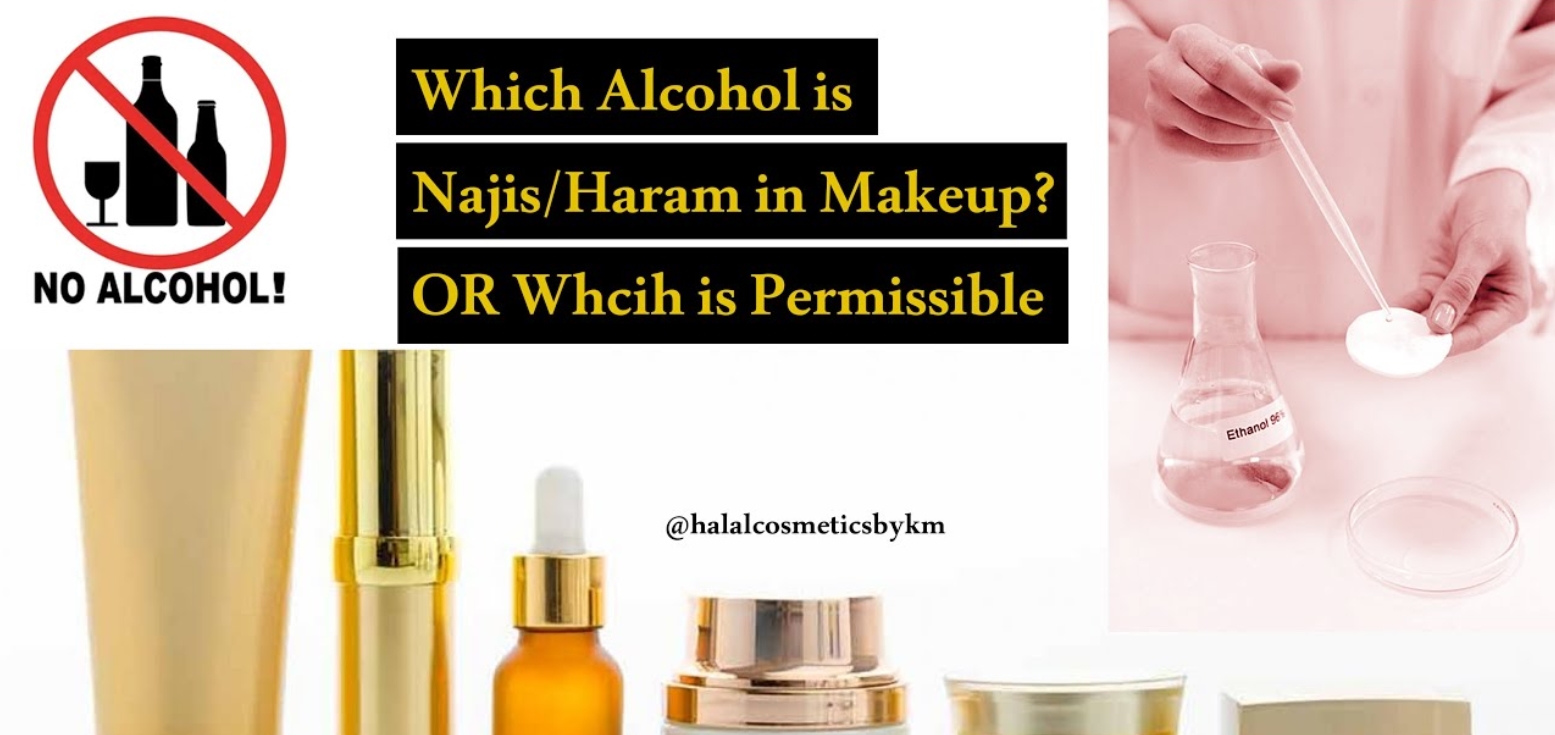
Cetearyl alcohol is often misunderstood, leading to various myths about its halal status. One common misconception is that all alcohols are haram given the negative connotation associated with beverages like ethanol. However, it is essential to note that cetearyl alcohol is a fatty alcohol, which behaves differently than the types of alcohol that are forbidden in Islam. This compound is derived from natural sources like coconut or palm oil, making it more of a moisturizer than a threatening substance.
Myth 1: Cetearyl Alcohol is the Same as Ethanol
Many people confuse cetearyl alcohol with ethanol. While both contain "alcohol" in their names, they have completely different properties and functions. Ethanol is a volatile substance commonly used in drinks, while cetearyl alcohol is a waxy solid that acts as an emulsifier and thickener in cosmetic and skincare products. Thus, cetearyl alcohol does not pose the same halal concerns as ethanol.
Myth 2: All Alcohols are Non-Halal
Another myth is the blanket assumption that all types of alcohol are non-halal. In reality, many alcohol derivatives, particularly in the context of cosmetics and food, undergo a process that renders them halal. Cetearyl alcohol falls into this category, being permissible for use in halal-certified products. Therefore, it is crucial for consumers to distinguish between types of alcohol when evaluating the halal status of an ingredient.
Myth 3: Cetearyl Alcohol is Harmful to Skin
Lastly, some believe that cetearyl alcohol is harmful to the skin due to its name. This is far from the reality, as cetearyl alcohol is known for its moisturizing properties and is widely used in various skincare formulations. It helps to stabilize emulsions and improve the texture of products, making it a beneficial ingredient rather than a harmful one. Understanding the role of cetearyl alcohol can help dispel these myths and encourage the adoption of halal-friendly products.
Choosing Halal-Certified Hair Products: How to Make Informed Decisions
When it comes to hair care, choosing halal-certified products is not just about adhering to religious principles; it's also about understanding the ingredients that go into the products you use. Halal certification ensures that the ingredients are permissible according to Islamic law, which often aligns with a clean and ethical approach to beauty. To make informed decisions, consumers should start by familiarizing themselves with common non-halal ingredients and alternatives that meet halal standards.
Understanding Halal Ingredients
Halal ingredients can vary depending on the source, so being knowledgeable about what's in your hair products is essential. Here are some common ingredients that you should be cautious of:
- Gelatin: Often derived from animal products, this can be non-halal if not sourced from halal-certified animals.
- Alcohol: Certain types of alcohol found in hair products can be harmful; ensure to choose those that are halal.
- Animal Fat: Fats sourced from non-halal animals should be avoided; look for vegan alternatives.
Researching Brands and Certifications
Before purchasing hair products, researching brands is crucial. Many companies now advertise their halal certification, but verifying this through reputable sources can prevent the use of misleading claims. Look for hair care brands that are transparent about their ingredients and hold valid halal certification. Always check for certified logos on the packaging, which can often be a sign of authenticity.
Additionally, reading reviews from other consumers can provide insights into the effectiveness and safety of halal-certified products. Engaging with online communities focused on halal beauty can also offer recommendations on trusted brands, helping you to navigate the market better.
Cetearyl alcohol halal or not
When considering whether cetearyl alcohol is halal, it’s important to understand its source. This ingredient is primarily derived from natural plant oils, such as coconut and palm oil, which are generally considered halal. However, not all cetearyl alcohol is created equal, and its halal status can depend on the processing and sourcing methods used by manufacturers.
Many reputable brands ensure that their products undergo rigorous testing and certification processes to confirm that their cetearyl alcohol is halal. It is advisable for consumers to look for products that feature a Halal certification seal, as this guarantees adherence to the necessary dietary laws. Checking the ingredient list is also crucial to confirm the source of cetearyl alcohol.
Here are some tips for determining the halal status of cetearyl alcohol in hair products:
- Research Brand Transparency: Investigate whether the brand provides clear information about their ingredient sourcing.
- Seek Halal Certification: Choose products that display a recognized halal certification to ensure compliance.
- Consult Community Resources: Engage with trusted sources or communities that focus on halal products for recommendations.
Ultimately, while cetearyl alcohol can be halal when sourced appropriately, consumers should remain vigilant and informed. By understanding the sources and certifications, it is possible to make conscious choices that align with both personal and religious beliefs.
You found it interesting to read Is Cetearyl Alcohol Halal? Understanding Its Use in Hair Products You can read much more about Halal here Blog.

Why You Should Consider Halal Meat: Benefits for Everyone!
Islamic Swimwear Men’s: Zusaura Transforms Modest Swimwear
Halal Real Estate Investing: A Guide for Muslim Investors
Is Eid Ul Adha on June 16 after Zil Hajj moon sighting
Is Store Bought Hummus Healthy 5 Reasons to Make Your Own!
Is the Maldives a perfect retreat for Muslim travelers
Halal Food in Vietnam: Challenges for Muslims in Saigon
Is 'Haram' crucial in understanding Islam's teachings
Why should halal startups invest in content marketing
Yemeni Coffee: How Houston's Shops Are Captivating the World
Does Wing Fellas offer 100% halal chicken in Flint
Is India regaining confidence in beef exports today
Related posts